


Dental Crowns
in Byford
Understanding Your Crown Options
At Byford Smiles, we want you to feel informed and comfortable when exploring your treatment options. Your dentist will assess your tooth and discuss which type of crown may be suitable for your needs. The process usually involves preparing the tooth, taking an impression or digital scan, and having a custom-made crown created to fit over it. We'll explain what to expect at each stage, including the treatment process, costs and how to care for your crown, so you know what to expect before proceeding.
Dental Crown Treatment Using CEREC Technology
CEREC uses digital scanning and 3D design technology to create a virtual model of your tooth. This information is then used to design a custom ceramic crown, which is produced using an in-practice milling machine. The crown is checked for fit and adjusted where needed before it is placed. Not every tooth is suitable for this process, and the treatment steps may vary depending on your individual circumstances. Our team will explain your options and what to expect before treatment begins.
Advantages of Dental Crowns

Crowns Can Help Protect Damaged Teeth
Teeth that are cracked, weakened or heavily restored may need additional support. A dental crown covers the visible part of the tooth, helping protect the remaining structure and support everyday functions such as chewing.

Crowns Are Made to Fit Your Tooth
Each dental crown is custom-made to suit the tooth being restored. Your dentist takes measurements or a digital scan to help determine the appropriate size and shape. The crown material is selected based on the tooth's location, condition and treatment requirements.

Crowns Can Restore Tooth Appearance
Dental crowns can be used to address certain concerns with tooth shape, size and colour. Depending on the material selected, the crown can be made to complement the surrounding teeth as part of your dental treatment.
Cosmetic Dental Care at Byford Smiles
At Byford Smiles, we provide dental care for individuals and families, with services ranging from routine check-ups to restorative and cosmetic treatments. We take the time to understand your dental concerns and discuss the care options available.
We understand that patients may have questions or concerns about dental procedures. Our team is here to explain what to expect and discuss available options, including sedation where appropriate. Your dentist can help determine which options may be suitable for your circumstances.
We understand that dental treatment costs are an important consideration. We provide information about our fees, accept a range of major health funds and offer payment options, subject to provider terms and eligibility. Our team is happy to answer your questions about payment arrangements and health fund claims.
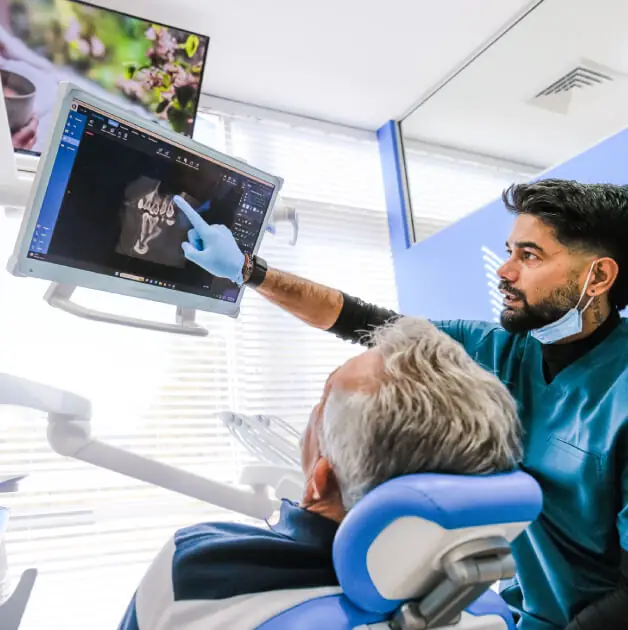
We use dental technology to support patient assessment and treatment planning, with equipment selected according to your dental needs and the procedure involved. Your dentist can explain how the technology is used and whether it is appropriate for your treatment.
Byford Smiles offers cosmetic dental treatments, including teeth whitening, veneers, crowns and bridges. Your dentist will assess your teeth and gums, discuss suitable options and explain the purpose, limitations, potential risks and costs of each treatment to help you make an informed decision.
FAQ's About Dental Crowns
Your dentist will examine the affected tooth and may take dental X-rays to assess its condition. Factors such as the amount of remaining tooth structure, existing damage and the tooth's location help determine whether a crown or another treatment may be appropriate.
Dental crowns are available in materials such as ceramic, porcelain-fused-to-metal and metal alloys. Each has different characteristics in terms of appearance, strength and suitability for different teeth. Your dentist will discuss the available options based on the tooth being restored and your individual dental needs.
The procedure generally involves preparing the affected tooth, taking an impression or digital scan, and creating a custom-made crown. Once the crown is ready, your dentist will check its fit and bite before placing it. The number of appointments will depend on the type of crown and your treatment requirements.
Care for your dental crown much like your natural teeth. Brush twice daily with fluoride toothpaste, clean between your teeth every day and attend regular dental check-ups. If you grind your teeth or have concerns about your crown, speak with your dentist about appropriate care.
Contact your dental clinic to arrange an assessment if your crown becomes loose or falls out. Avoid chewing on the affected tooth and keep the crown if you still have it. Do not attempt to force it back into place. Your dentist will examine the tooth and discuss the appropriate next steps.
Yes. Although a crown covers and protects the visible part of a tooth, decay can still develop around its edges or in the surrounding tooth structure. Maintaining good oral hygiene and attending regular dental check-ups can help your dentist monitor the crown and the tooth underneath it.
The cost of a dental crown depends on the material used, the condition of the tooth and the complexity of the treatment. Your dentist will assess your tooth, explain the available treatment options and provide an estimate of the costs involved before proceeding.