


Dental Implants
in Byford
Dental Implant Consultation and Treatment Planning
Before considering dental implants, it is important to understand your oral health and the factors that may affect treatment. Your dentist will assess your gums, jawbone and dental history to help determine whether implants may be suitable.
During your consultation, we will discuss the proposed treatment stages, including implant placement, healing and fitting the replacement tooth. Your dentist will also explain potential risks, expected appointments, ongoing care and costs. If dental implants are not suitable, other options, such as dental bridges or removable dentures, can also be discussed.
Advantages of Dental Implants

Fixed Tooth Replacement Option
Dental implants are placed in the jawbone to support replacement teeth. Unlike removable dentures, implant-supported restorations are fixed in place and are designed to function as part of your bite. They may be considered when replacing one or more missing teeth.

Designed for Long-Term Use
Dental implants are made from materials such as titanium, which is commonly used for implant components. With appropriate placement, regular dental reviews and good oral hygiene, implants can remain in use for many years. Their lifespan varies depending on individual circumstances and ongoing care.

Helps Support Jawbone Structure
When a tooth is lost, the surrounding jawbone may gradually change due to the absence of stimulation from the tooth root. Dental implants transfer chewing forces to the jawbone and may help maintain bone in the area. Your dentist can assess your bone health and discuss whether an implant is suitable.
Restorative Dental Care at Byford Smiles
Every patient's dental needs are different. We take the time to assess your teeth and gums, understand your concerns and discuss suitable treatment options. Whether you need to replace missing teeth or restore damaged ones, we'll explain the recommended approach and what to expect.
We understand that the cost of restorative dental treatment is an important consideration. Before proceeding, we'll explain the recommended treatment, associated costs and available payment options. Our team can also help you understand how to check your health fund benefits for eligible dental services.
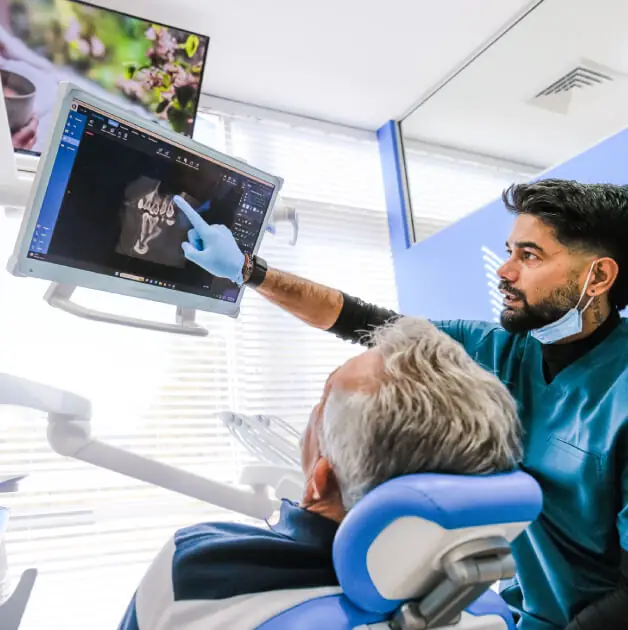
We use dental technology to support the assessment and planning of restorative procedures. Depending on your needs, this may include digital imaging, 3D CBCT scans and CEREC technology for certain ceramic restorations. These tools help your dentist assess the relevant structures and plan the appropriate treatment.
Missing teeth can be addressed in different ways, depending on your oral health and individual circumstances. We offer options including dental implants, implant-retained dentures and removable dentures. Your dentist will discuss the differences, considerations and suitability of each option to help you make an informed decision.
FAQ's About
Dental Implants
A bone graft may be recommended if there is not enough bone in the jaw to support an implant. Whether this procedure is needed depends on your bone volume, the location of the missing tooth and your individual circumstances. Your dentist will discuss this with you following an assessment.
Yes. Smoking can affect healing after implant surgery and may increase the risk of complications, including problems with the surrounding gum and bone. Let your dentist know if you smoke so they can discuss the potential risks and any precautions before treatment.
Although implants cannot develop tooth decay, the gums and bone surrounding them can become inflamed or infected. This may affect the tissues supporting the implant. Regular dental reviews and appropriate oral hygiene are important for monitoring the health of the surrounding tissues.
Teeth grinding, also known as bruxism, can place additional pressure on dental implants and their restorations. Your dentist will assess your bite and discuss whether any additional measures, such as a custom night guard, may be appropriate.
Signs to look out for include swelling or bleeding around the implant, persistent discomfort, changes in the surrounding gum tissue or movement of the implant-supported tooth. If you notice any of these changes, arrange a dental assessment so your dentist can investigate the cause.
In some cases, an implant may be placed during the same appointment as a tooth extraction. However, this depends on factors such as the condition of the tooth, surrounding bone and gum tissue, and whether there is infection. Your dentist will determine the appropriate timing based on your clinical assessment.
In some cases, an implant may not properly integrate with the surrounding jawbone. If this happens, your dentist will assess the area and discuss the next steps, which may involve removing the implant, allowing the area to heal or considering alternative treatment options.
Dental implants are commonly made from materials such as titanium, which is generally compatible with MRI scans. However, always inform your doctor or radiology team about your dental implants before having an MRI so they can confirm any necessary precautions.