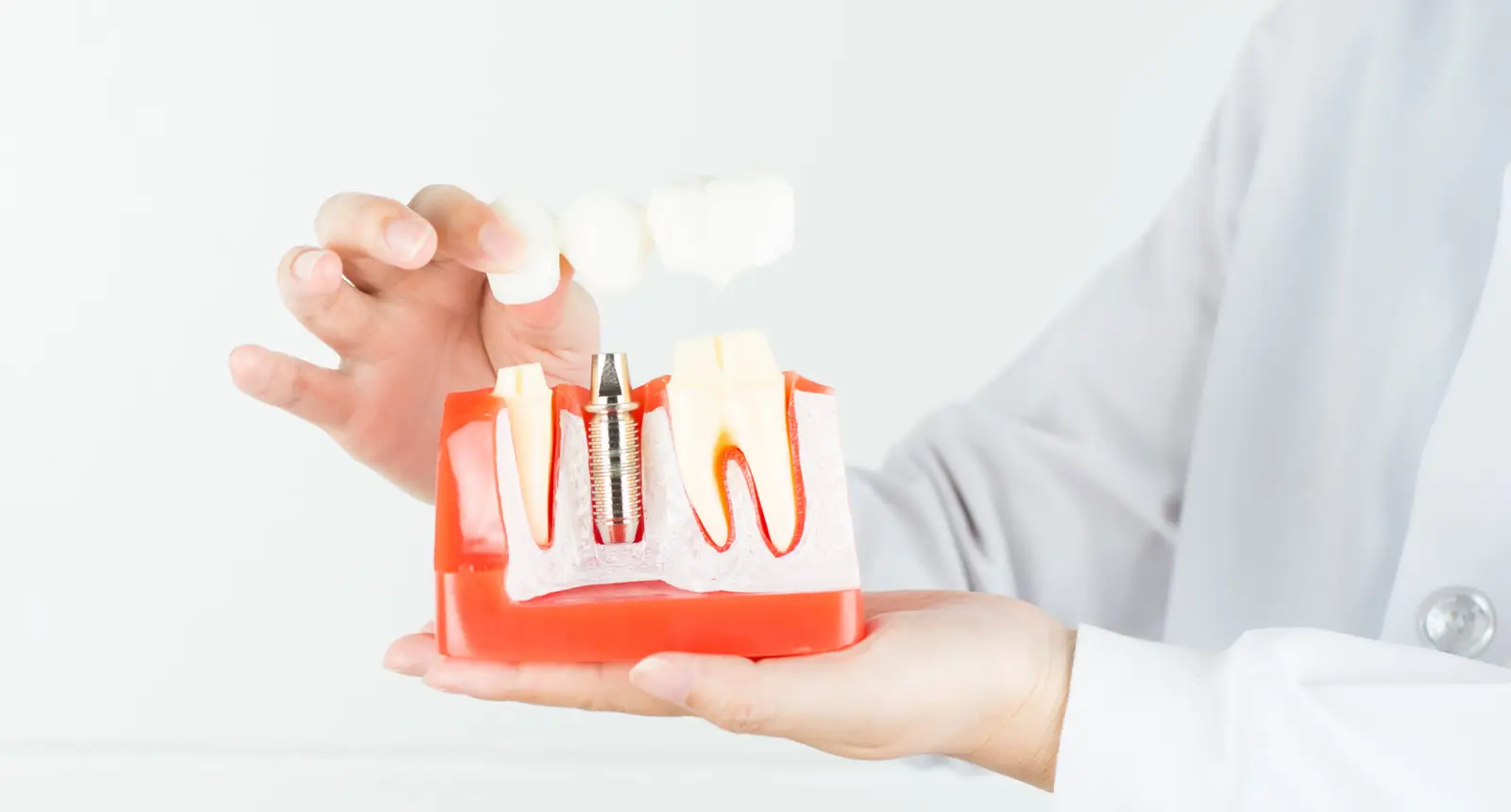
Tooth loss can affect chewing, speech or how someone feels about the appearance of their teeth. People respond differently, so these experiences should not be treated as a reason to assume that one replacement option will change a person’s confidence or mental health.
Dental implants are one way to replace missing teeth. Depending on the case, a dentist may also discuss a bridge or dentures. The choice depends on oral health, bone support, treatment risks, maintenance and personal preferences.
This blog explains what implants may help with, what the surgical process involves and which factors can affect cost and longevity.
Summary of the Content
- People adjust to tooth loss and replacement options in different ways.
- Implants, bridges and dentures each have different suitability requirements, risks and maintenance needs.
- Implant treatment involves surgery, healing and fitting the final crown, bridge or denture.
- Cost and longevity vary with the treatment plan, oral health and ongoing care.
How Tooth Loss Can Affect Daily Life
Some people find tooth loss difficult to adjust to, while others adapt well to replacement options such as dentures. Experiences vary, and a dentist can discuss available treatments based on the person’s oral health and preferences.
If missing teeth are making eating or speaking difficult, the dentist can assess what is contributing to the problem. If your concern is mainly about appearance, they can explain what each replacement option may change and where its limitations lie.
What Dental Implants May Help With
Dental implants may support a crown, bridge or denture after they integrate with the jawbone. They are not suitable for everyone, and they should not be presented as a treatment for anxiety, depression or low self-esteem.
What the dentist checks
Your dentist will assess the teeth, gums, bite and available bone. They will also ask about your health, medicines, smoking and ability to maintain the implant, because these factors can change the recommendation and the risks.
Function and appearance
For some people, an implant-supported restoration may provide more stability than a loose removable denture. The likely effect on chewing, speech and appearance depends on the number and position of missing teeth and the type of restoration planned.
Implant treatment involves surgery and a healing period. Infection, healing complications and implant failure are possible, and the crown, bridge or denture attached to the implant may need maintenance or replacement over time.
A dentist can compare implants with bridges and dentures so you can weigh the expected function, appearance, risks, cost and maintenance before deciding.
Choosing a Tooth-Replacement Option
How someone feels about tooth loss is personal. Dental treatment cannot guarantee a change in confidence, relationships, work opportunities or mental health.
Choosing a replacement option
The clinical role of an implant is to support a replacement tooth or teeth. The decision should be based on oral health, suitability, surgical risks, maintenance and what matters to you when eating, speaking and caring for your mouth.
If tooth loss is causing ongoing anxiety or low mood, it may help to discuss those concerns with an appropriate health professional as well as speaking with your dentist about dental options.
The Surgical Procedure of Dental Implants
Dental implant surgery is a multi-step procedure involving the precise installation of an artificial tooth root to replace a missing tooth. The following is a detailed overview of the surgical process, from the initial incision to the placement of the final restoration.
- Step 1: Anaesthesia and Preparation
Before the surgery begins, the patient is given local anaesthesia to numb the surgical area. In some cases, sedation or general anaesthesia may be used for added comfort. The surgical site is then cleaned and prepared for the dental implant procedure. - Step 2: Incision and Bone Preparation
To access the jawbone, the dental professional makes a small incision in the gum tissue. Using special tools, the surgeon carefully prepares the bone by drilling a precise hole to accommodate the dental implant. - Step 3: Implant Placement
The dental implant, usually made of titanium, is inserted into a prepared hole in the jawbone. It is designed to serve as an artificial tooth root, establishing a strong foundation for the final restoration. - Step 4: Healing and Osseointegration
After the implant is placed, the gum tissue is stitched closed, and the healing period begins. Over the next several months, a process called osseointegration occurs, in which the jawbone grows around and fuses with the dental implant. This creates a strong, secure bond that replicates the natural tooth root. - Step 5: Abutment Placement
Depending on the type of implant, a second minor surgery may be needed to expose the top of the dental implant after osseointegration. An abutment, which is a small connector piece, is attached to the implant. This abutment will serve as the link between the implant and the final restoration. - Step 6: Final Restoration
After the gum tissue has receded around the abutment, the final restoration, such as a crown, bridge, or denture, is custom-fabricated to match the patient’s natural teeth. The restoration is then secured to the abutment, finishing the dental implant process.
Throughout the surgical procedure, the dental professional takes great care to provide precise placement and optimal results. Modern imaging techniques, such as 3D scans and surgical guides, are often used to plan and perform the surgery.
As soon as the implant dental procedure is complete, you can enjoy a fully functional, natural-looking replacement tooth. If properly cared for and maintained, a dental implant can last for many years, making it a long-term option for replacing damaged teeth.
It is important to note that the dental implant process may vary slightly depending on individual circumstances. These include the number of teeth being replaced and the dental status of the jawbone. A dental professional will develop a personalised treatment plan to address each patient’s unique needs and meet their goals.
Cost and Investment Considerations of Dental Implants
When considering tooth replacement options, it is important to evaluate both the initial cost and the long-term investment associated with each treatment. Dental implants, while often having a higher upfront cost compared to other options, offer numerous long-term benefits. These benefits and potential savings make them a worthwhile investment for many patients.
Initial Cost Factors
The initial cost of dental implants varies depending on several factors, including the number of teeth being replaced, the location of the missing teeth, and the quality of the jawbone. Additional costs may include the surgical procedure, anaesthesia, and the custom-fabricated final restoration (crown, bridge, or denture).
Keep in mind that the initial cost of dental implants is usually higher than that of other tooth replacement options, such as bridges or dentures. The investment in dental implants, however, becomes more attractive when considering the long-term benefits and potential savings.
Long-Term Benefits and Savings
Dental implants offer several long-term functional benefits that can lead to significant savings over time:
- Durability and Longevity:
Under proper oral care and maintenance, dental implants can last for decades. This durability reduces the need for frequent replacements or restorations, which can be necessary with other tooth replacement options. This durability reduces the need for frequent replacements or restorations, which can be necessary with other tooth replacement options. - Preservation of Jawbone:
Replacing missing teeth with dental implants stimulates the jawbone, preventing bone loss. This preservation of jawbone health can help maintain facial structure and avoid more complicated dental procedures in the future. - Adjacent Tooth Health:
Unlike bridges, which require the alteration of adjacent healthy teeth, dental implants stand independently, preserving the integrity of the surrounding teeth. This can prevent possible dental issues on the adjacent teeth. - Better Oral Health and Quality of Life:
Dental implants restore full chewing function and natural appearance, allowing patients to eat a range of foods and smile confidently. This improved quality of life can lead over time to improved health and lower healthcare costs.
Comparing the Investment
When comparing dental implants with other tooth replacement options, it’s crucial to consider the long-term investment. While bridges and dentures may have a lower initial cost, they often require replacement every five to 10 years. Over the years, the cumulative cost of these replacements can exceed that of dental implants.
Furthermore, the potential costs associated with bone loss and compromised oral health should be taken into account. These costs may include additional dental work or treatments when evaluating the investment in dental implants.
Financing and Payment Options
Many dental clinics offer financing plans and payment options to help make dental implants more readily available and affordable for patients. These options can include third-party financing, in-house payment plans, and dental health fund cover. It’s important to discuss these options with your dental provider to determine which option is right for you.
Dental implants may have a greater initial cost than other tooth replacement options; however, they provide long-term benefits that make them worthwhile. Additionally, the potential savings further enhance their value. They significantly improve long-term oral health and overall quality of life.
Longevity and Maintenance of Dental Implants
Dental implants can be an effective tooth replacement option, offering patients a durable and stable alternative to bridges or dentures. If properly cared for and maintained, dental implants can last for many years. Several factors contribute to their longevity, making them a great investment in your oral health.
Factors Contributing to Implant Longevity
- Osseointegration:
Implants are made from biocompatible materials, such as titanium, that integrate with the jawbone through a process called osseointegration. This bond creates a strong, stable foundation for the implant, replicating the oral function of a natural tooth root. The success of osseointegration is a crucial aspect of the longevity of dental implants. - Implant Placement:
The precise placement of the dental implant is essential for its long-term effectiveness. A trained dental professional will verify that the implant is positioned properly, taking into account factors such as the quality and quantity of the jawbone, the location of nerves and sinuses, and the bite alignment. Proper placement reduces the risk of complications and promotes the longevity of the implant. - Quality of Materials:
Dental implants and their components are designed with sturdy materials that can handle the forces of biting and chewing. The use of premium materials, such as titanium and zirconia, contributes to the long-lasting nature of dental implants. - Oral Hygiene Practices:
Good dental hygiene is vital to the longevity of dental implants. It is important to brush, floss, and use an antibacterial mouthwash regularly to prevent the accumulation of plaque and bacteria around the implant. This will reduce the possibility of getting infection and inflammation around the implant. Patients with dental implants should also attend regular dental check-ups and cleanings to maintain healthy implants and surrounding tissues. - Lifestyle Factors:
Certain lifestyle factors can affect dental implant longevity. Patients who smoke, clench or grind their teeth, or have uncontrolled diabetes may have a higher risk of implant complications. Addressing these factors and changing your lifestyle can help promote the long-term success of dental implants.
Maintenance and Care
To maximise the longevity of dental implants, patients should follow a proper maintenance and care routine:
- Regular Brushing and Flossing:
Brush twice daily with a soft-bristled toothbrush and fluoride toothpaste, paying special attention to the area around the implant. Floss at least once a day to remove plaque and food particles between the teeth and implant. - Keeping Up with Dental Check-Ups:
Schedule regular dental check-ups and cleanings every six months or as recommended by your dental professional. These visits allow for early detection and treatment of any potential oral health issues, helping to maintain the health and longevity of your dental implants. - Avoid Damaging Habits:
Refrain from habits that can damage your dental implants, such as biting on hard objects, using your teeth as tools, or grinding your teeth. If you clench or grind your teeth, your dentist may recommend a custom night guard to protect your implants and natural teeth. - Manage Systemic Health:
Maintain good overall health and manage any systemic conditions, such as diabetes, that can impact oral health. Good systemic health supports the longevity of dental implants.
With proper care and maintenance, dental implants can provide a long-lasting option for tooth loss. They offer patients a functional and aesthetically pleasing replacement for their missing teeth. By understanding the factors that contribute to implant longevity, patients can enjoy the advantages of dental implants for many years. Adhering to a proper maintenance routine is essential for maximising their lifespan.
Final Thoughts
Dental implants are one option for replacing missing teeth, but they are not the right choice for every person. A dentist can compare implants with bridges and dentures after checking your oral health, bone support and treatment needs.
Implant longevity depends on healing, gum and bone health, oral hygiene, smoking, bite forces and ongoing care. The restoration attached to the implant may also need repair or replacement over time.
If you want to discuss a missing tooth, book an assessment with Byford Smiles. The dentist can explain which options are suitable, what each involves and the risks you should understand before treatment.