If you wake with a sore jaw or a headache, or someone tells you they can hear you grinding at night, mention it to your dentist. You may not know you grind your teeth while you sleep, and some people have no symptoms at all. A dental examination is how you find out what is happening and whether anything needs to be done.
The short answer
- Possible signs include painful jaw muscles in the morning, headaches or toothaches, sensitive teeth, and cracked, chipped or loose teeth or damaged fillings.
- Note what you or a bed partner have noticed, along with your sleep habits, general health and medicines.
- Talk to your dentist or doctor if you have symptoms. Not everyone who grinds their teeth needs treatment.
By Dr Abhi Singh (Dentist), Byford Smiles. Published and sources checked: 16 November 2026.
What are the signs that I grind my teeth at night?
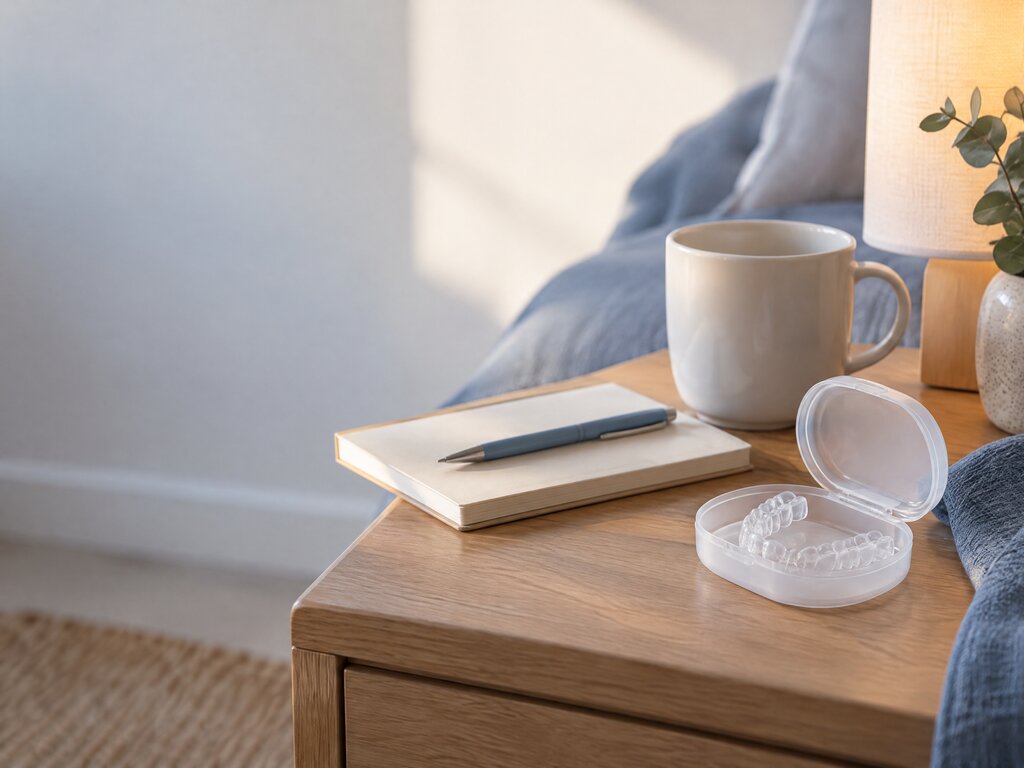
Healthdirect describes bruxism as grinding or clenching your teeth when it is not part of normal chewing. It can happen during sleep or during the day, and if you grind your teeth while asleep you may not be aware of it. Healthdirect lists these possible symptoms:
- cracked, chipped or loose teeth
- damaged tooth fillings
- painful jaw muscles, especially in the morning
- headaches or toothaches
- sensitive teeth
- sleep disturbance
A bed partner is sometimes the first to notice the sound. Healthdirect also notes that some people see their doctor about headaches or a sore neck and find that teeth grinding is the cause.
What can make teeth grinding more likely?
Healthdirect lists possible causes and triggers including emotional stress and anxiety, smoking, alcohol or caffeine use, snoring and particular medicines, such as certain antidepressants. People who grind their teeth while asleep may be more likely to have other sleep disorders, such as sleep apnoea.
These are possibilities, not a checklist that confirms anything. They are useful to mention because your dentist will ask about them.
What should I note before my appointment?
Healthdirect says your dentist will ask about your symptoms, sleep habits, general health and medicines. A few short notes can help you remember:
- When you notice jaw soreness or headaches, and whether they are worse in the morning.
- Anything a bed partner or family member has heard at night, including snoring.
- Any chipped teeth, broken fillings or teeth that have become sensitive.
- Your usual caffeine and alcohol use, and whether you smoke.
- The medicines you take and any health conditions.
These notes are a conversation aid, not an online diagnosis. Our first-visit information explains that the dentist reviews your medical history and any concerns as part of the examination.
What happens at the dental visit?
Healthdirect explains that dentists check for signs of bruxism, such as tooth wear and damage, during regular check-ups, and examine you further if they suspect teeth grinding. If your dentist finds that you have sleep bruxism, they may refer you to a doctor to be checked for sleep apnoea.
Will I need a mouthguard?
Not necessarily. Healthdirect says not everybody who grinds their teeth needs treatment. When treatment is needed, it describes two broad approaches, and it is common to use more than one:
- reducing stress and anxiety, for example with counselling, relaxation techniques, good sleep habits and avoiding stimulants and caffeine
- managing the physical side, for example with a custom-made mouthguard (an occlusal splint) to protect your teeth, dental treatment to repair damaged teeth, physiotherapy for jaw muscle pain, or medical treatment for any linked conditions
At Byford Smiles, our bruxism treatment includes custom mouthguards made to fit your teeth. Ask your dentist about the benefits, risks and costs of each option before you decide.
What if my child grinds their teeth?
Healthdirect notes that young children sometimes grind their teeth and usually grow out of it. If you are worried or notice other symptoms, talk to your dentist or doctor. Our children's dentistry page explains visits for younger patients.
When should I book sooner?
Do not wait for a routine check-up if a tooth is painful or your jaw hurts. Healthdirect advises seeing a dentist as soon as possible if you have a painful tooth or jaw. Our emergency dental service page covers concerns such as toothache and damaged teeth, and our article on toothache at night explains what to do while you arrange an assessment.
To ask about an appointment, contact Byford Smiles or call (08) 9532 0247.
Sources
Sources checked on 16 November 2026. This is general patient information, not a diagnosis or an individual treatment plan.
- Healthdirect Australia: Teeth grinding (bruxism), last reviewed October 2023, supports the symptoms, triggers, diagnosis, treatment and children's guidance. Dental injury, reviewed February 2026, supports the advice on a painful tooth or jaw.
- Byford Smiles: bruxism treatment, first-visit information, emergency dentistry, children's dentistry, Dr Abhi Singh's profile, related article and contact page linked above. Clinic information is not a promise of appointment availability.