
Dental care has progressed significantly over the years, yet millions of people still suffer from tooth loss. People lose teeth for many reasons, including tooth decay, periodontal disease or injuries. A missing or damaged tooth can affect your smile and confidence and your ability to chew and affect your overall dental health. In addition, if missing teeth are not replaced, they can also affect the alignment of the nearby teeth in your mouth.
Missing teeth may be replaced with removable dentures, a bridge or dental implants. Each option has different requirements, limitations and risks. A dentist can check your teeth, gums and bone support before explaining which options may suit you.
What Are Dental Implants
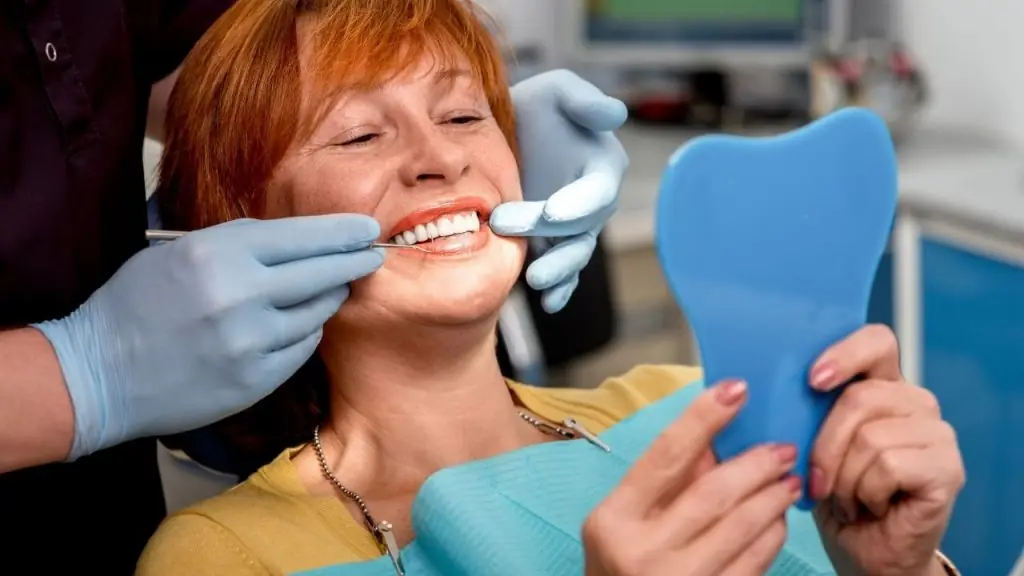
A dental implant acts as the new root for missing teeth. It is surgically placed into the jawbone by a dental surgeon, and the implant fuses with the bone. A tooth implant fused to the jaw bone is the closest thing to a natural tooth. It stands on its own and does not affect adjacent teeth.
Once a dental implant has integrated with the jawbone, it may support a crown, bridge or implant-retained denture. The longevity of an implant depends on several factors, including oral hygiene, gum health, bone support and ongoing dental care. As with other surgical procedures, implant treatment carries risks, including infection, complications with healing and implant failure. Your dentist can explain these risks and assess whether implants are suitable for your circumstances.
The jawbone and the implants bond in a process called osseointegration. Dental implants are generally made up of titanium alloys, allowing them to fuse with the jawbone and not be rejected by the body as a foreign object.
The dental implant procedure consists of two stages. The first stage of the surgical procedure includes cutting open the healthy gum tissue to expose your jaw bone. The oral surgeon then drills the tooth implant into the jaw bone.
The second stage comes after the initial surgery, when the soft tissue of the gum has healed. Again, the healing time varies, and it all depends on your body. The oral surgeon will then fix the artificial tooth, crown or bridge. Again, the recovery time varies, but after the gum heal, it means that your implant is securely fastened in the jaw bone.
Benefits Of Dental Implants

Dental implants have proven time and again to be an effective tool for tooth replacement which is why it has gained popularity. Dental implants do have a few drawbacks. However, the benefits greatly outweigh the negatives.
Dental implants are versatile
Tooth replacement options like bridges, partial dentures or a complete denture are limited in the number of teeth they can replace. However, implants are very versatile and give you many options.
You can choose to have your dental implant fitted with a crown to replace a single tooth, a traditional bridge or partial denture to replace multiple teeth or complete dentures to replace all of your teeth. Dental implants allow you on your dentist to create the perfect treatment specifically tailored to your likes and dislikes.
How they feel
A dental implant is embedded directly into your jawbone and acts as a natural tooth. In addition, your jaw bone grows around the metal post of the implant, which means that it holds the implant firmly in place to add stability. This allows the dental implant to give the prosthetic increased strength and support.
Implants make it easier to speak.
We may not think about it too often, but our teeth play an important role in helping us when we speak. For example, missing teeth at the front of the mouth can cause a big difference in the way you talk. Similarly, traditional dentures can also affect the way you speak by moving around, which can cause you to slur or speak with a lisp. In addition, you may feel embarrassed and get distracted because you will always be constantly worrying if your dentures will slip or not.
Dental implants eliminate both these issues and the same surface characteristics as natural teeth for your tongue to press against when forming certain words. Implant-supported dentures also work in this scenario since they have several deeply rooted implants into your jawbone, which prevents them from slipping or sliding around.
Eating with dental implants
Replacing missing molars may help with chewing. Once an implant restoration has healed, your dentist can explain which foods are appropriate and whether any precautions are needed for your bite, restoration or stage of recovery.
They look natural
The crown, bridge or denture attached to an implant can be planned to work with the surrounding teeth. Its colour and shape can be selected with you, although the final appearance depends on the available space, gum position and neighbouring teeth.
How implants interact with the jawbone
Bone can change after a tooth is lost. An implant transfers chewing forces into the jawbone, but the amount and condition of the available bone still need to be assessed. Some people may require additional treatment before an implant can be considered.
They are low maintenance
If you decide to have your dental implant fitted with a crown, it is easy to maintain. All you need to do is have a good oral hygiene routine to ensure that they last as long as possible. Your dental hygiene routine does not have to be anything too extreme. The standard of care should include brushing your teeth at least twice a day, flossing and using mouthwash once a day. You should also include visits to the dentist for regular checkups and cleaning.
Implants capped with bridges and dentures follow the same basic oral hygiene routine with just one extra step. That extra step ensures you clean under the artificial tooth to keep your gums healthy and prevent any gum disease.
Dental implants are durable
How long a dental implant lasts varies. Oral hygiene, gum and bone health, smoking, bite forces and ongoing dental care can all affect the implant and the restoration attached to it. A dental crown, bridge or denture may also need maintenance, repair or replacement over time.
Different Types Of Dental Implants
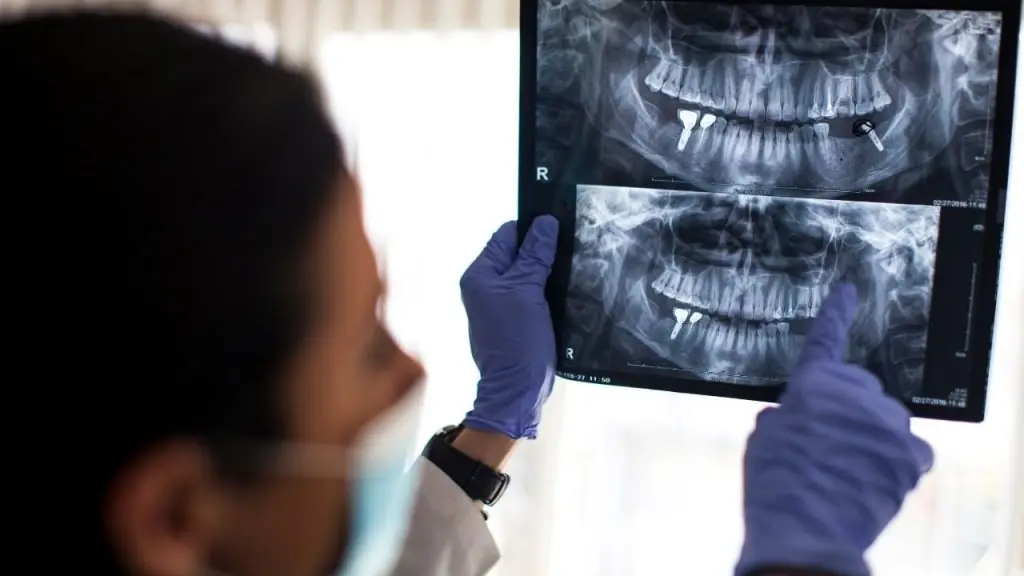
There are two types of implants.
Endosteal Implants
Endosteal dental implants are the most common type of implants used today. They are put in your jawbone to act as an artificial root to hold a replacement tooth. An endosteal implant is usually made from titanium and is shaped like small screws. Endosteal dental implant surgery sees these screws drilled into the healthy bone and protrudes through the gum to hold the replacement tooth.
Subperiosteal Implants
You will need subperiosteal implants if your jaw bone isn’t healthy enough to support endosteal implants. This type of implant is placed either on or above the jaw bone under the gum to protrude and hold the replacement tooth.
How much are dental implants?
| Dental Service | Cost |
| Straightforward dental implant – single | $2850-$6500 |
| Complicated implant with bone graft, bone augmentation, sinus lift or sinus augmentation | $4000-$11500 |
| Cost of “All-on-4” dental implants | $15000-$30000 |
Learn More: Cost Of Dental Implants in Australia: What You Need To Know
Should I get dentures or dental implants?
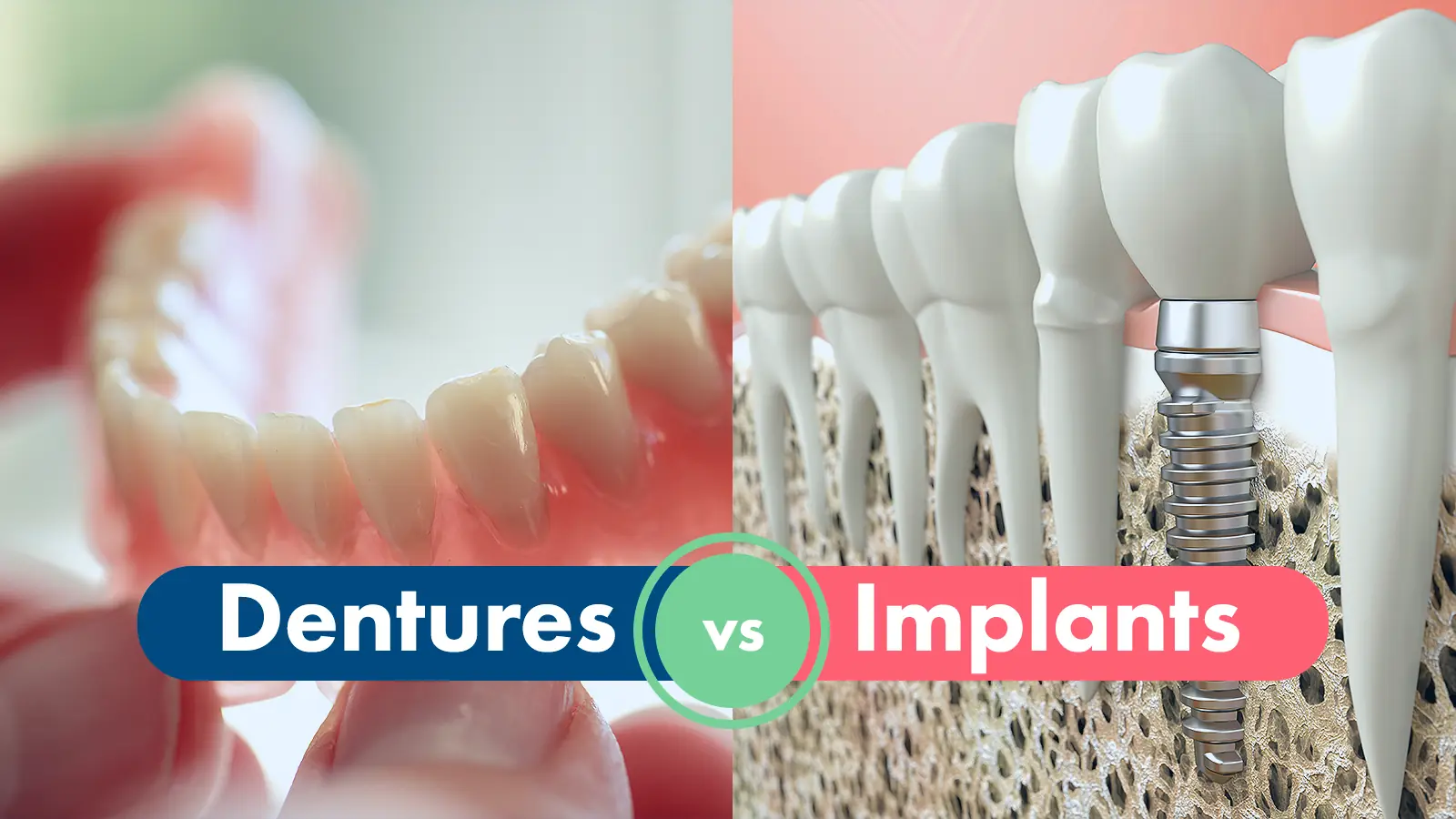
Going with dental implants or dentures will depend on various factors like your gum and bone health. Your dental care provider will need to perform a thorough examination of your teeth and see if you are a good candidate for implants.
They may recommend an endosteal implant or subperiosteal implant. If your jaw bone isn’t strong enough or there isn’t sufficient bone, your dental professional may recommend a subperiosteal implant or perform bone grafting surgery.
An implant-retained denture is designed to be more stable than a conventional removable denture. Whether it is suitable depends on the condition of the mouth and jawbone, and it still requires daily cleaning and ongoing dental reviews.
Learn More: Dental Implants Vs. Dentures: Which Is Better For Me?
Final Thoughts
Dental implants are one alternative to dentures and bridges. If you have one or more missing teeth, you can book an appointment for an assessment. The dentist can compare the available options, explain the surgical risks and discuss the maintenance each option requires.